


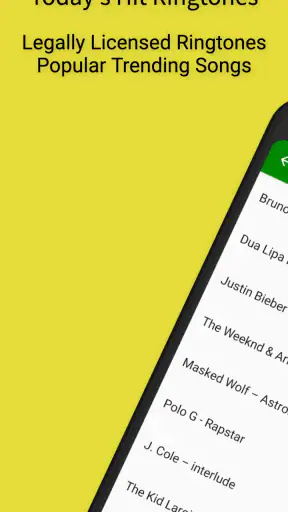
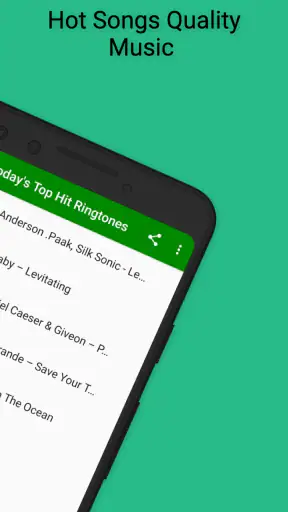
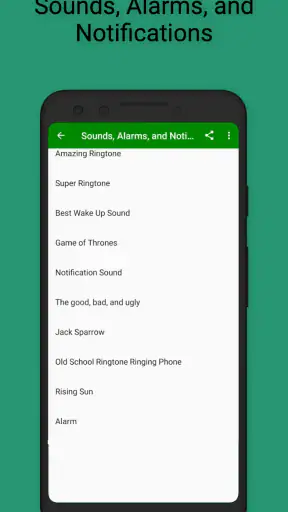
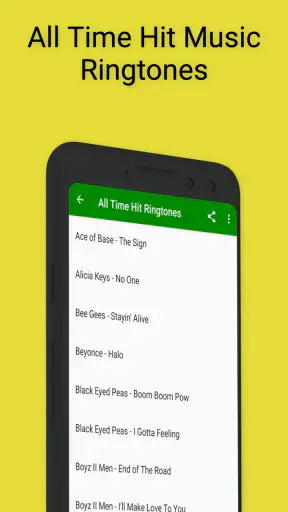
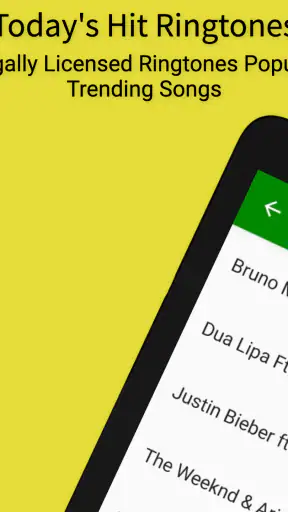
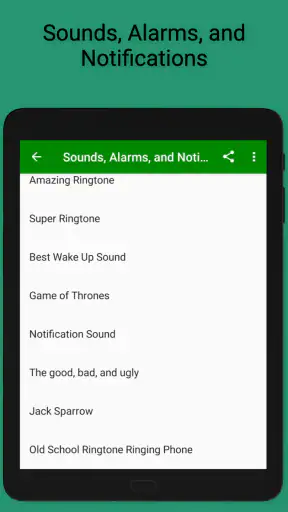
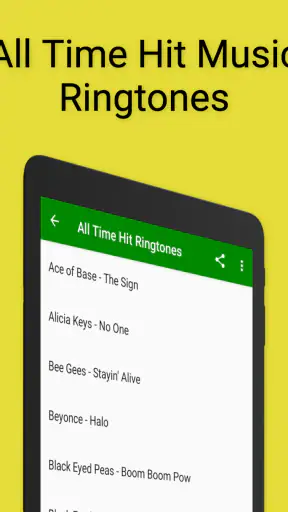
I installed Today's Hit Music Ringtones to see whether it is genuinely useful for personalizing an Android phone or simply another collection of sounds that becomes tiring after a few minutes. My overall impression is positive: it is a focused Music & Audio app from Today's Ringtones Apps, aimed at people who want recognizable, current-feeling music choices instead of relying on the default tones already sitting on their device.
The important distinction is that this is not trying to replace a full music player, streaming service, or audio editor. Its job is narrower and more practical: help you change the sound associated with calls and other phone alerts. That focus makes it easy to understand, but it also means the right choice depends on what you expect from a ringtone app. If you want quick personalization, it makes sense. If you want to cut any song precisely, manage a large private audio library, or build elaborate sound profiles, a different type of tool may suit you better.
How I judged the app before recommending it
When I assess a ringtone app, I do not start with the number of sounds it appears to offer. I first ask whether it reduces the small annoyances involved in changing a phone’s identity. Can I find something suitable without endless browsing? Is the preview useful enough to avoid choosing a poor clip? Does the app feel designed for a quick decision rather than for passive listening? Those questions matter more in daily use than a flashy presentation.
I also consider how well an app fits different listening habits. Some people want a distinctive ringtone for calls, a softer notification sound, and perhaps a separate choice for a particular contact. Others only want one recognizable tone and never plan to revisit the settings. A dedicated hit-music collection can serve the first group well, but it may be unnecessary for the second. In my experience, the value comes from the speed and variety of the selection process, not from keeping the app open all day.
The best reason to try it is simple personalization without turning your phone into an editing project. That matters if you want your incoming calls to feel less generic but do not want to search through folders, trim audio manually, and work out which file format or length will behave properly on Android.
A practical test: choosing a tone for a busy day
Imagine that I am preparing for a day when I need to notice calls quickly. I open the app, listen to several music-based options, and look for a sound with a clear opening rather than a slow introduction. A tone that begins quietly may be pleasant in headphones but easy to miss in a noisy room. A more immediate musical phrase is usually the better practical choice, even if it is not my favorite song.
That is one of the less obvious decisions this kind of app helps with. I would not choose a ringtone only by asking whether I like the music. I would also think about where the phone normally sits, whether I often carry it in a bag, and whether the sound needs to be recognizable after only a moment. A good preview session should therefore include both personal taste and real-world audibility.
For work, I would lean toward a tone that feels energetic without being distracting. For a personal phone, I might choose something more expressive. If I regularly receive messages while in public, I would be more careful with notification sounds than with a ringtone, because a short, attention-grabbing clip can become irritating much faster when it repeats throughout the day.
What the focused design does well
The app’s main strength is its clear identity. It belongs to the Music & Audio category, but it is not pretending to be a complete audio platform. The store summary describes it as a way to personalize an Android sound with hit music ringtones, and that purpose comes through in the experience. I can approach it with a specific task in mind instead of first learning a complicated library-management system.
That focus is particularly helpful for people who are uncomfortable with Android’s sound settings. The operating system gives users control, but the path from an audio file to a finished ringtone is not always obvious to everyone. A dedicated ringtone app can make the choice feel more approachable by putting the listening decision first. I still need to pay attention to the final Android setting, but I am not starting with an empty folder and no idea what to use.
Another advantage is the mood-based nature of music choices. Default tones are functional, while music can make a phone feel more personal. I can choose something that matches how I want the device to feel: lively, relaxed, playful, or more noticeable. That emotional element is easy to overlook, but it is why many people bother changing a ringtone in the first place.
Useful habits that make the app work better
My first tip is to choose for the environment rather than the living room. Listen at a moderate volume, then imagine the same sound competing with traffic, conversation, or a television. A tone that seems loud in a quiet room may be ineffective outside. Conversely, a sharp tone that works in a crowded place may become unpleasant at home.
My second tip is to avoid changing every sound at once. I would begin with the main call tone, use it for a day, and only then decide whether messages or other alerts need adjustment. Changing everything together makes it difficult to identify which sound is causing annoyance. A staged approach also keeps the phone familiar enough that I do not miss important alerts while adapting.
My third tip is to treat musical familiarity as a trade-off. A very recognizable clip can make it obvious that my phone is ringing, but it may also make me think another person’s phone is sounding the same way in a public place. A less obvious selection can give the phone more individual character. I prefer a tone with a memorable rhythm but not necessarily the most instantly recognizable melody.
There is also a social consideration. A dramatic or humorous ringtone may be enjoyable among friends but awkward in a meeting, classroom, waiting room, or quiet office. I would keep the volume and context in mind before choosing something deliberately attention-seeking. The app makes experimentation easy, but good judgment still belongs to me.
Where the app is a stronger choice than the usual alternatives
The most direct alternative is using Android’s built-in sounds. That option is dependable and usually enough for someone who wants a basic alert with no extra browsing. However, the built-in collection can feel impersonal. Today's Hit Music Ringtones is more appealing when I want the phone to reflect my taste rather than simply function.
Another alternative is selecting a song from music already stored on the device. That route gives me more control over the source material, especially if I have a carefully organized personal collection. The drawback is that I may need to locate the correct file, decide which section works as a ringtone, and handle the setup myself. For quick discovery, a dedicated collection is less work.
Audio-editing tools are a better match when precision is the priority. If I already know the exact part of a track I want, an editor can offer a more deliberate result than browsing ready-made choices. I might choose that approach for a personal recording, a specific spoken phrase, or a song whose best moment occurs deep into the track. The trade-off is time and complexity, which defeats the purpose if I only want a fresh tone in a few minutes.
Streaming services are another category altogether. They are built for continuous listening, recommendations, playlists, and on-demand music rather than phone customization. I would not install a streaming service expecting it to solve the ringtone task. It may help me discover music, but it does not replace the convenience of a purpose-built ringtone selection experience.
Where another option may fit better
I would skip this app if I rarely change my phone sounds and already have a favorite audio file ready to use. In that situation, Android’s own settings may be all I need. Adding a dedicated app would introduce an extra step without providing much lasting value.
I would also look elsewhere if I wanted deep control over trimming, fading, volume normalization, or custom recordings. A collection of music-oriented tones is useful for browsing, but it is not the same as a full editor. The distinction matters for anyone who has a very specific idea and does not want to compromise on the exact start and end of the sound.
People who prefer completely quiet notifications may find the app unnecessary as well. Personalization is valuable only when sound is part of the way I interact with the phone. If I rely on vibration, a smartwatch, or a silent profile most of the time, a ringtone collection will have limited impact on daily use.
There is a further trade-off for users who dislike advertising or optional purchases in free apps. Today's Hit Music Ringtones is free to download, while in-app purchases range from around two dollars to around seven dollars per item. That does not automatically make it poor value, but I would decide whether the free experience already gives me enough choice before spending anything. For a single tone, paying may feel unnecessary; for someone who enjoys regularly refreshing the phone’s sound, optional extras may be easier to justify.
What the app’s scale tells me, and what it does not
The app has been available since November 2013 and has reached over five million installs, with an average rating of 4.5 from around thirty-six thousand ratings. Those figures suggest that it has found a substantial audience and that many users consider the basic idea worthwhile. I see that as encouraging, especially for a narrowly focused utility.
It is still important not to confuse popularity with a guarantee that every sound will match my taste. A ringtone app is highly subjective. A collection that feels lively and current to one person may feel repetitive or too attention-grabbing to another. I would use the strong reception as a reason to test it, not as a substitute for listening to the actual choices.
The current version is 6.5.68, and the minimum operating system is Android 7.0. That makes the compatibility question straightforward for many Android users, but I would still check the phone’s software version before investing time in setup. The app is marked for Teen audiences, so I would also keep that classification in mind when deciding whether it is appropriate for a younger family member’s device.
The switching cost is low, but not zero
Moving from default sounds to this app is relatively easy in concept: browse, preview, choose, and then make sure the desired sound is assigned correctly in Android. The part I would not rush is the final confirmation. Phones can have separate controls for calls, notifications, alarms, and individual contacts, and it is easy to assume a change affected everything when it only changed one category.
I would take a moment after selecting a tone to place a test call or trigger a harmless notification. That small check prevents a common frustration: believing the phone has been personalized when the actual incoming call still uses the previous sound. If the device has multiple sound profiles, I would also check the active profile rather than judging the app based on a silent or restricted mode.
Another switching cost is habit. A new sound may be exciting at first but become tiring after repeated exposure. I prefer to keep two or three favorites in mind and change only when the current choice genuinely stops working. That is more practical than constantly chasing novelty. The app is most useful as a source of options, not as a reason to rebuild the phone’s sound identity every week.
Before making a purchase, I would use the free part of the experience long enough to decide whether the available choices suit my taste. Since the optional items are individually priced, I would not pay simply because a sound is prominent or immediately visible. I would pay only when a particular choice solves a real preference problem, such as needing a tone that is easier to recognize in a noisy setting.
My recommendation for different kinds of Android users
For someone who wants a quick way to make an Android phone feel more personal, I recommend giving Today's Hit Music Ringtones a try. It is especially suitable for users who prefer browsing music-inspired choices over handling files manually. The free entry point makes it easy to judge the selection before considering any optional purchase, and the app’s long presence on Android gives it a reassuring sense of familiarity.
I would recommend it most strongly to people who want a noticeable but simple change: one new call tone, a better sound for a particular contact, or a more expressive alternative to the phone’s standard alerts. The practical tips matter here: choose for the environment, test the final assignment, and avoid turning every notification into a loud musical event.
I would not make it my first recommendation for someone who wants professional-level audio control, private recordings, or exact editing. That person should start with an audio editor or use a carefully prepared local file. Likewise, someone satisfied with the built-in Android sounds has no urgent reason to switch.
My final view is that this app succeeds by staying focused. It does not need to be a full music service to be useful; it only needs to help me find a sound that makes the phone easier to recognize and more personal to use. As a free Music & Audio app from Today's Ringtones Apps, it offers a sensible starting point for that decision. I would install it when I want fresh musical ringtone ideas, keep my expectations centered on personalization, and move to another category only when I need editing control rather than ready-to-use choices.


